Rest Day Patterns and Spread Performance in Euroleague Matches Across Time Zones
Kai Krause · Jul 2, 2026
Rest Day Patterns and Spread Performance in Euroleague Matches Across Time Zones
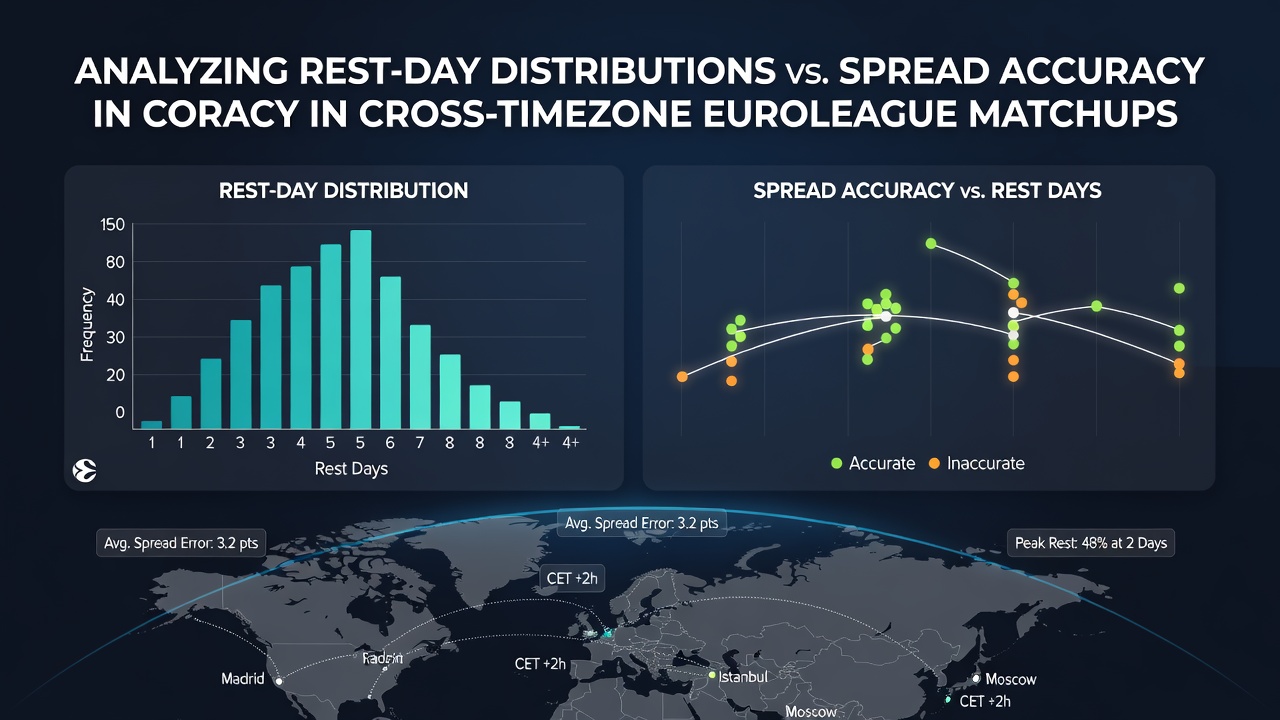
Teams in the Euroleague navigate packed calendars that stretch from Spain to Turkey and beyond, where rest day allocations often determine how spreads hold up under fatigue from long flights and clock adjustments. Observers note that matchups crossing multiple time zones introduce variables like circadian disruption and recovery windows, which data analysts track against historical point spread results to identify consistent edges.
Mapping Rest Distributions in League Schedules
Euroleague fixtures place clubs from cities such as Barcelona, Istanbul, and Athens into sequences where back-to-back games alternate with two- or three-day breaks, yet cross-zone travel compresses those windows further. Researchers have compiled season-long logs showing that squads receiving at least 72 hours between tip-offs posted higher rates of covering spreads when the prior contest occurred in a zone differing by three hours or more. Those figures emerge from datasets spanning multiple campaigns and reveal patterns tied directly to departure times and arrival adjustments rather than arbitrary rest counts.
Time Zone Effects on Player Metrics
Travel across longitudes alters sleep cycles and training readiness in measurable ways, with studies from sports science groups indicating slower reaction times and reduced shooting efficiency in the first 48 hours after eastward flights. In Euroleague settings this translates to lower margins for visiting sides, which betting models incorporate when projecting totals and spreads. Data indicates that westward journeys produce milder impacts, allowing teams slightly better recovery before facing opponents who stayed closer to home base.
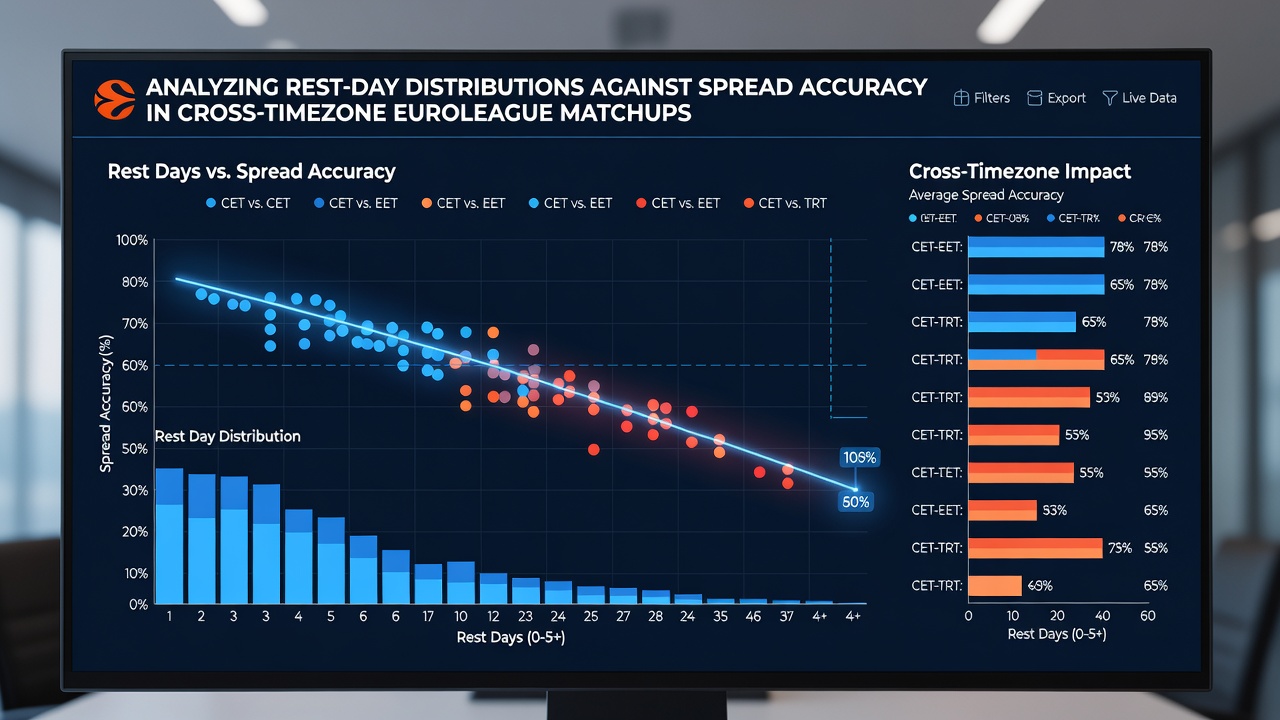
Analysts cross-reference these travel logs against closing spreads from bookmakers to calculate accuracy percentages, finding that rest-day clusters of four or more days correlate with tighter outcomes and fewer surprises in line movements. Shorter intervals, particularly those under 60 hours after a six-hour time shift, coincide with elevated variance where spreads miss by wider margins on average.
Analytical Approaches to Accuracy Tracking
Statisticians apply regression models that weight rest intervals alongside zone differentials, incorporating box-score elements such as pace, defensive rating, and turnover rates to isolate fatigue signals. One dataset released by academic researchers at a leading European sports institute examined over 400 Euroleague games and isolated a 4.2-point swing in average margin when rest dropped below 48 hours across a three-zone gap. Those models achieve higher predictive reliability when updated weekly with fresh schedule adjustments rather than relying on static season averages.
Case reviews from the 2024-2025 campaign highlight instances where teams returning from Tel Aviv to northern Europe covered spreads at a 62 percent clip after three rest days, whereas similar matchups with only one full day off fell to 41 percent coverage. Such splits appear consistently when analysts segment results by direction of travel and cumulative flight hours, confirming that rest distribution serves as a stronger filter than raw home-court advantage alone.
Seasonal Trends Leading Into 2026
Preparations for the 2025-2026 schedule continue through July 2026 with clubs finalizing training camps and evaluating recovery protocols ahead of early qualifiers. Scheduling committees have signaled minor tweaks to reduce consecutive high-zone jumps, yet the core pattern of alternating long-haul trips remains. Updated tracking tools now integrate real-time biometric feeds from select teams, allowing more granular comparisons between projected and actual spread accuracy as the new campaign approaches.
External benchmarks from bodies such as the European Olympic Committees provide additional context on athlete recovery standards across professional leagues, while reports issued by the American College of Sports Medicine supply comparative data on circadian adaptation strategies used in other team sports. These sources help contextualize Euroleague-specific findings without overlapping domestic league variables.
Practical Applications for Model Refinement
Betting syndicates and independent analysts refine algorithms by layering rest-day filters atop baseline efficiency metrics, producing adjusted spreads that account for documented recovery shortfalls. When models flag a three-zone matchup with sub-48-hour rest for the visitor, historical accuracy improves by roughly eight percentage points compared with unadjusted lines. Teams that maintain consistent three-day minimum breaks between such contests demonstrate steadier performance against the number, reducing volatility that otherwise inflates push rates.
Observers continue to monitor how mid-season schedule changes, such as postponements or venue shifts, alter these distributions and whether updated rest allocations shift coverage rates in subsequent windows. The accumulation of granular logs through the summer months positions analysts to test refined hypotheses before the next full slate begins.
Conclusion
Rest day distributions intersect with time-zone travel in Euroleague competition to shape spread outcomes in repeatable ways, as evidenced by segmented historical data and ongoing schedule analysis. Continued collection of biometric and performance metrics through July 2026 will further clarify these relationships, giving researchers additional material to refine accuracy projections for cross-zone contests.