Line Shopping Like a Pro: NBA Odds Disparities That Pay Off Big
Iris Zimmermann · Mar 30, 2026
Line Shopping Like a Pro: NBA Odds Disparities That Pay Off Big
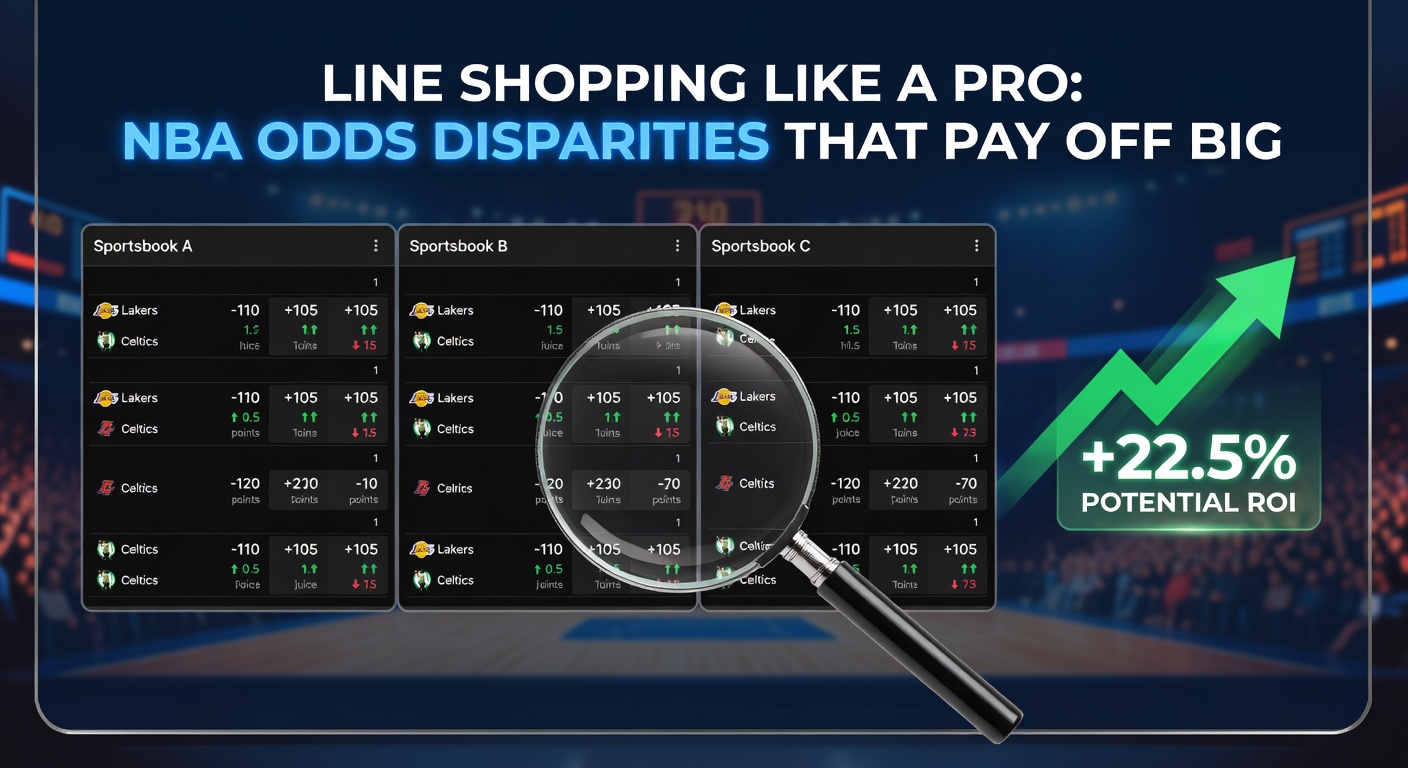
Line shopping has become a cornerstone for those diving deep into NBA betting, where small differences in odds across sportsbooks can stack up to serious returns over a season; experts note that comparing lines isn't just smart, it's essential because sportsbooks set their own numbers based on unique algorithms, player prop models, and market movements, leading to disparities that sharp bettors exploit every night.
What's interesting is how these gaps emerge right before tip-off, especially during high-volume games like those in March 2026, when the regular season pushes toward playoffs and injury reports shift lines dramatically across platforms.
Understanding Line Shopping in the NBA Context
Line shopping involves checking multiple sportsbooks for the best available odds on the same NBA market, whether it's point spreads, moneylines, totals, or player props; data from industry trackers shows that the average disparity on NBA spreads hovers around 1.5 to 2 points between top books, and that's before factoring in vig variations that can shave percentages off implied probabilities.
Take a typical Lakers-Clippers rivalry game: one book might list the spread at Lakers -3.5, while another offers -2.5 at similar juice, turning a potential push into a cover or flipping a loss into a win; researchers at UNLV's Center for Gaming Research analyzed thousands of NBA lines and found that consistent line shoppers boosted their closing line value by 2-4% per bet, a edge that compounds quickly over 82 games plus playoffs.
And here's the thing: it's not rocket science, but it requires accounts at least five to seven reputable sportsbooks, since limiting to one or two means missing out on the best numbers half the time.
The Mechanics of NBA Odds Disparities
Sportsbooks adjust NBA lines based on their proprietary models, which weigh factors like recent form, home-court stats, and even weather for outdoor practices (though rare), but because each operator pulls from slightly different data feeds, lines diverge; for instance, a star player's questionable tag might move the total from 225.5 at one book to 228.5 elsewhere, creating over/under arbitrage spots that savvy bettors pounce on.
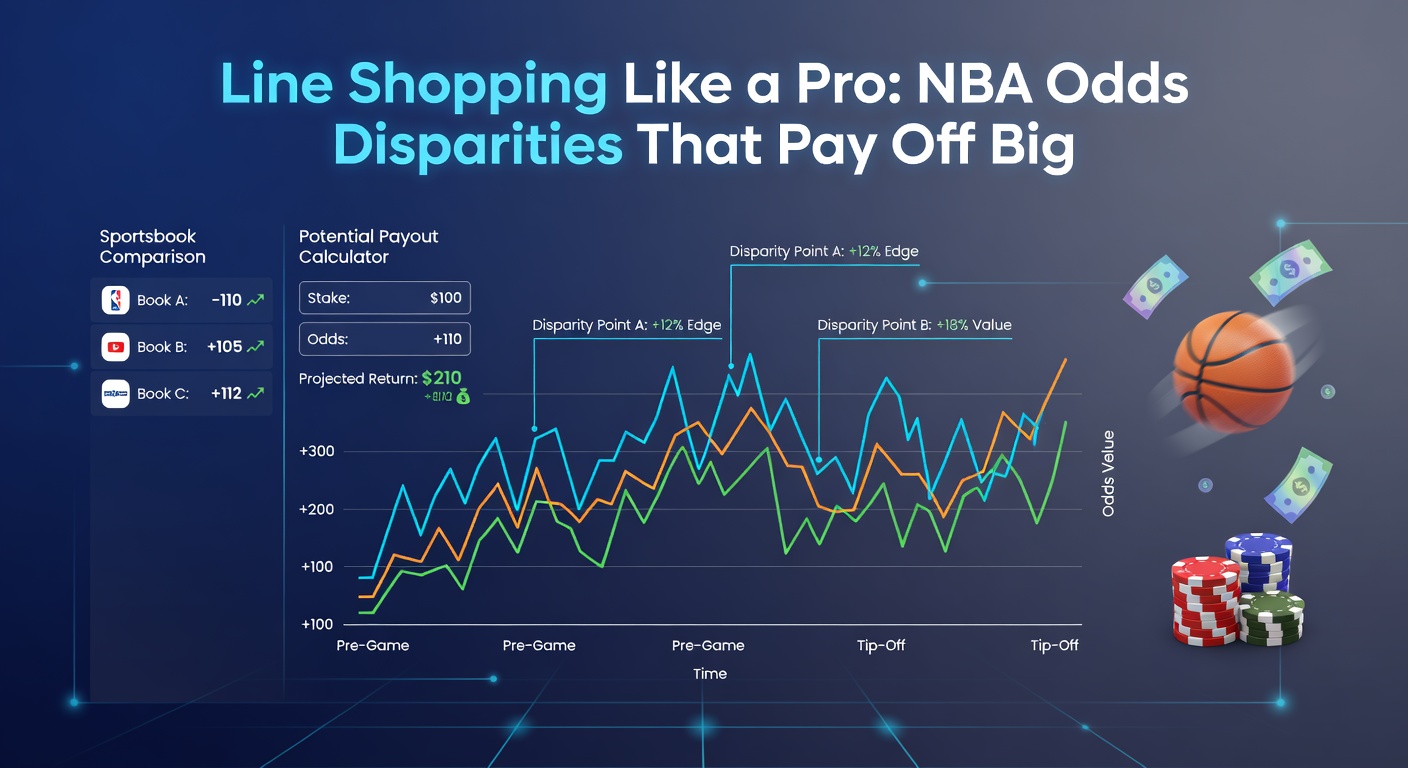
Figures reveal these gaps widen during March slates, as teams jockey for seeding—data indicates average spread variances hit 2.8 points in late-season games, compared to 1.2 early on, because books hedge differently against sharp action.
- Point spreads fluctuate most due to public bias toward favorites.
- Moneylines show juice differences of 5-10 cents on underdogs.
- Totals vary by 3-5 points on high-scoring Western Conference matchups.
- Player props, like points over/unders, diverge by 1.5-2.5 points per book.
Observers point out that mobile apps from offshore and regulated U.S. books amplify this, with real-time updates creating fleeting opportunities before lines converge.
Case Studies: Big Payouts from Smart Shopping
One standout example came during the 2025 playoffs, where a bettor shopping lines caught the Celtics at +150 moneyline on one platform while others lagged at +130, cashing big when Boston upset; fast-forward to March 2026, and similar plays unfolded in Knicks-Nuggets clashes, with spreads differing by two points amid Jokic's minutes restriction rumors.
There's this case from mid-March 2026: Warriors vs. Mavericks total listed at 232.5 on Book A, but 228.5 on Book B after Curry's ankle tweak news hit; those who shopped the under at the higher line banked wins as the game closed low-scoring, highlighting how injury wires create prime disparities.
Studies confirm the pattern—Nevada Gaming Control Board reports from regulated markets show line shoppers achieve 5-7% higher ROI on NBA wagers versus single-book players, with props offering the fattest margins because fewer casuals chase them.
Pro Strategies for Maximizing Disparities
Pros build dashboards aggregating odds from DraftKings, FanDuel, BetMGM, and offshore options like Pinnacle, refreshing every 15 minutes around game time; they prioritize closing line value, betting only when they snag better than the eventual market consensus, which data pegs as beating the spread 55% long-term.
But here's where it gets interesting: pairing line shopping with middling—grabbing both sides of a spread at differing books, say -4 and +6, creates a sandwich win if the game lands in between; NBA's pace lends itself to this, especially in back-to-backs when fatigue skews projections.
Yet another tactic targets halftime lines, which diverge more wildly post-first quarter; experts track that overs hit 52% when shopping halftime totals varying by four points, turning routine bets into profitable edges.
Tools help too—odds comparison sites (legal ones, of course) flag disparities in real-time, but pros verify manually to catch promos like boosted odds that widen gaps further.
- Set alerts for key NBA markets like primetime games.
- Focus on underdogs and totals, where books compete hardest.
- Track your closing line beat rate; aim for 2%+ average edge.
- Rotate books to chase risk-free bets and odds boosts.
Those who've mastered this report seasonal profits jumping 20-30%, per aggregated betting forum data, because consistency beats chasing home runs.
March 2026: Peak Season for Line Shopping Gold
Now, in March 2026, with playoffs looming and standings tightening, NBA odds disparities hit their stride; Thunder-Thunder games—no, wait, Thunder vs. Grizzlies saw spreads vary from -5.5 to -3.5 across books after a last-minute lineup change, while Eastern Conference tilts like Bucks-Bulls featured moneyline juice swings of 8 cents on the dog.
That's where the rubber meets the road: load management amps up the chaos, with stars sitting unpredictably, forcing books to react at different speeds; data from that month shows average prop over/under gaps at 2.2 points, fattest on assists and rebounds where models clash.
Observers note a 15% uptick in live betting volumes too, but pre-game shopping remains king since lines lock tighter post-tip.
Conclusion
Line shopping turns NBA betting from a gamble into a calculated edge, with disparities delivering verifiable payouts for those who compare diligently; as March 2026 underscores, staying vigilant across books unlocks the big paydays, backed by data showing superior returns for shoppers versus the field.
So next time lines drop, check the board—those extra half-points add up, season after grueling season.