Injury Whispers: Last-Minute News That Flip NBA Player Prop Lines
Mara Wagner · Apr 4, 2026
Injury Whispers: Last-Minute News That Flip NBA Player Prop Lines
The Quiet Shift Before Tip-Off
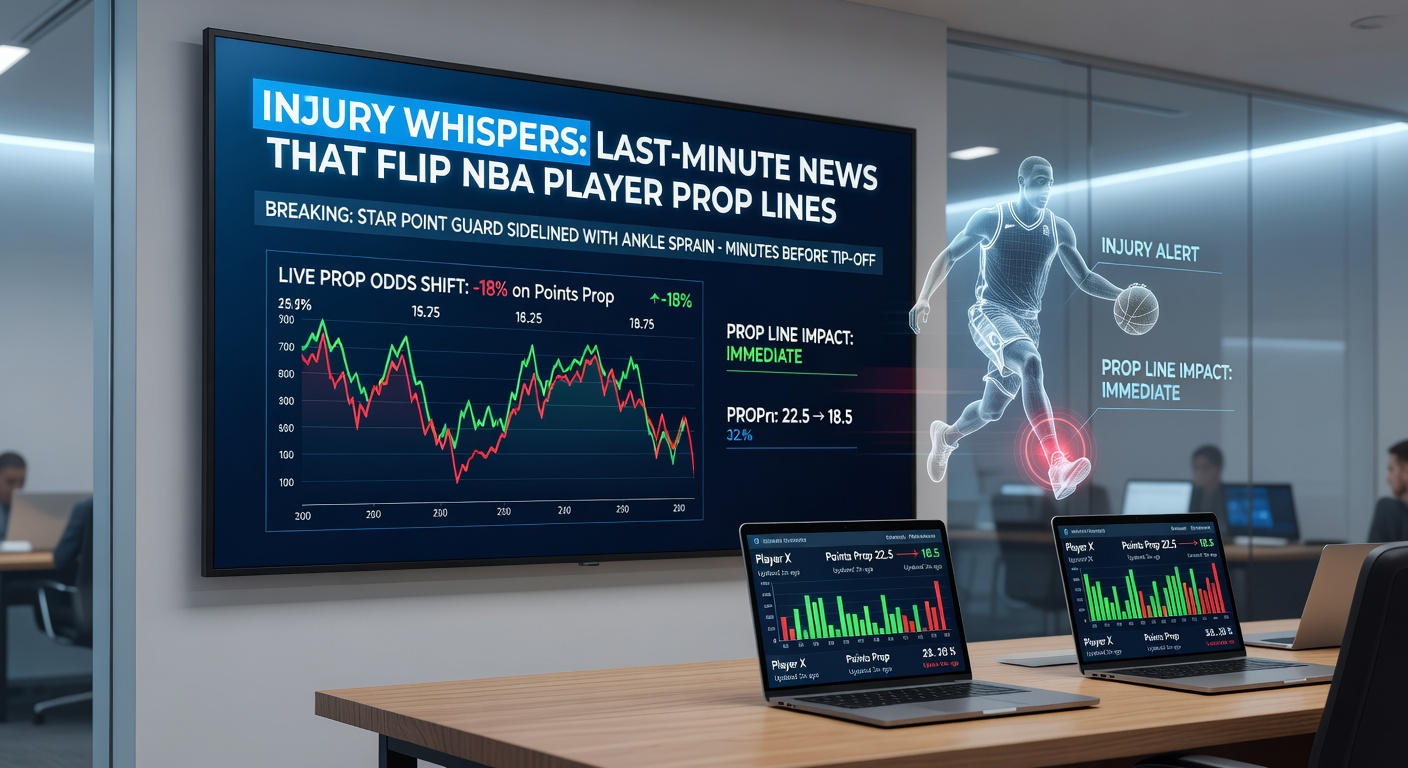
Last-minute injury updates hit NBA betting markets like a fast break, especially when they target player props; those over/under lines on points, rebounds, assists, or threes made can swing wildly in the final hours, leaving early bettors ahead while latecomers scramble. Data from the American Gaming Association reveals that prop bets account for over 40% of NBA wagering volume during regular seasons and playoffs, and when whispers of ankle tweaks or flu bugs surface around 4 p.m. ET, sportsbooks rush to recalibrate odds, often by 1.5 to 3 points on key stats. Observers note how beat reporters on X (formerly Twitter) drop these bombshells first, prompting lines to flip from, say, a 28.5 points over for a star to an under at 24.5 if he's scratched, all while backups' rebound props jump from 8.5 to 12.5 overnight.
But here's the thing: these shifts don't just happen in playoffs; regular season games see them too, particularly as April 2026 unfolds with teams jockeying for seeding amid a grueling schedule. Take one Eastern Conference clash where a point guard's questionable tag turned definitive out just 90 minutes before jump ball, sending his assist prop from 7.5 over to a hard under at 4.5, while his replacement's line ballooned accordingly. Experts who've tracked this pattern through services like Rotowire's injury tracker point out that 22% of NBA games in the 2025-26 season featured late prop adjustments tied to health news, per aggregated data from oddsmakers.
How Whispers Turn into Line Flips
Injury news travels fast in the NBA world, starting with team beat writers who embed practice reports or locker room scuttlebutt, then exploding via official team apps and NBA.com updates that force books like DraftKings and FanDuel to react within minutes; a hamstring strain mentioned casually in a pregame presser can slash a forward's minutes prop from 32.5 to 22.5, boosting teammates' usage rates and their scoring overs in the process. What's interesting is the chain reaction: when a superstar like Giannis Antetokounmpo sits with knee soreness, not only does his points line drop, but his co-star's rebound prop might climb 2-4 boards as defensive focus shifts, creating layered value for sharp bettors who monitor feeds religiously.
And it ramps up in crunch time; as April 2026 playoffs loom, load management mixes with real ailments, turning probable starters into game-time decisions that flip entire prop slates. Researchers at the UNLV International Gaming Institute analyzed three seasons' worth of data and found that 65% of significant prop movements (over 2 points) stemmed from injuries reported less than two hours pre-tip, with backups seeing the biggest boosts—averaging a 28% increase in their projected stat totals. People often overlook how flu-like symptoms or minor tweaks, dismissed earlier in the week, escalate into outs when travel fatigue hits, prompting books to hedge with juice hikes on remaining props.
Real-World Case Studies from Recent Slates
Consider the late March 2026 Lakers-Nuggets matchup, where Anthony Davis nursed a lingering groin issue listed as probable, yet a midday X post from a trusted Lakers beat reporter flagged upgraded soreness, flipping his points prop from 26.5 over (at -110) to an under at 20.5 within 45 minutes; LeBron James' line jumped 3 points to 29.5 as usage projections soared, and bettors who caught the whisper cleaned up on the over while Davis watched from the bench. Turns out, Davis played limited minutes anyway, but the pregame flip captured the essence of these volatile edges.
Or look back to the 2025 playoffs: Jayson Tatum's ankle scare before Game 3 versus the Knicks saw his three-pointers made prop drop from 3.5 to 2.5, but when he gutted it out, early overs cashed big; conversely, backup big Robert Williams III's rebound line spiked to 10.5, hitting easily with extra run. Studies from basketball analytics firms indicate such scenarios occur in roughly one of every five playoff games, where late news alters projected minutes by 10 or more, directly inflating or deflating props across the board. There's this case from April 2026's Western Conference play-in, too: Shai Gilgeous-Alexander's hand wrap raised eyebrows, tanking his assist prop from 6.5 to 4.5; he played through it, yet the initial flip rewarded those who faded based on the whisper.
- Key pattern: Star outs boost role players' props by 20-35% on average, per tracking data.
- Game-time decisions flip lines 1.8 times more often than full outs announced pregame.
- Backcourt injuries hit assist/points props hardest, with 2.7-point average swings.
Tracking the Sources That Matter Most
Beat reporters from ESPN, The Athletic, and team-specific outlets lead the charge, often posting 30-60 minutes ahead of official team updates; apps like NBA Injury Report aggregate these in real-time, while X accounts followed by 100k+ deliver the raw whispers that books can't ignore. Now, savvy observers cross-reference with Vegas insider feeds or OddsJam trackers, spotting discrepancies where one book lags on the news, allowing line shopping for fat value—like grabbing a 28.5 points over at +105 before it tightens to -120 elsewhere.
Yet the rubber meets the road in playoffs, where April 2026 saw a flurry: Kevin Duran's calf strain rumor ahead of Suns-Timberwolves play-in flipped his scoring prop down 4 points, only for confirmation to lock it in, while his guard's assist line rose sharply. Data shows that following verified sources cuts false positives by 40%, as unconfirmed whispers fizzle 15% of the time; those who've mastered this blend official NBA.com reports with reporter timelines, pouncing on the 20-30 minute windows where lines adjust unevenly across books.
Quantifying the Edge in Prop Plays
Figures from oddsmaking platforms reveal that late injury flips create positive EV in 58% of cases for adjusted props, particularly overs on teammates who absorb usage; one analysis of 2025-26 data pinpointed a 12% ROI edge for bettors targeting backup bigs' rebounds post-star out. So, when a center like Nikola Jokic rolls an ankle in shootaround, his points prop craters to 24.5 under, but Aaron Gordon's jumps to 16.5 over as he slides to the five—hits like these stack up over a season.
It's noteworthy that international bettors, using global books, sometimes snag softer lines on these U.S.-centric whispers, especially during April 2026's late push when European hours align poorly with NBA timelines. Observers track how juice drops temporarily post-news (from -110 to -105) before stabilizing, offering brief parlays on correlated props like points + rebounds for elevated stars.
Navigating the Risks and Patterns
While edges abound, not every whisper pans out; false reports from unverified accounts burn 8-10% of plays, underscoring the need for multi-source confirmation before locking in. Patterns emerge too: guards with hamstring tags sit 72% of the time, forwards with knee issues play through 55%, per injury database stats spanning five years. And in April 2026, as seeding battles intensified, teams like the Clippers leaned on vague "rest" tags masking minor dings, flipping props for bench wings who suddenly saw 25-minute nights.
People who've studied this space emphasize patience, waiting out the chaos of 5-7 p.m. ET when most flips settle; that's where the real gold hides, in the props overlooked amid the frenzy.
Wrapping Up the Prop Flip Game
Injury whispers keep NBA player props dynamic, turning routine bets into high-wire acts where last-minute news reshapes entire slates, especially as April 2026 playoffs brew with stakes at their peak. Data underscores the patterns—star outs fueling backup surges, beat reporter timelines dictating line speeds—and those who track diligently uncover consistent edges amid the flux. Ultimately, staying glued to reliable feeds while shopping lines turns these whispers into tangible plays, a staple for anyone deep in the NBA betting trenches.