Fixture Overload in the Euroleague: How Schedule Density Influences Scoring Totals
Kai Krause · Jun 20, 2026
Fixture Overload in the Euroleague: How Schedule Density Influences Scoring Totals
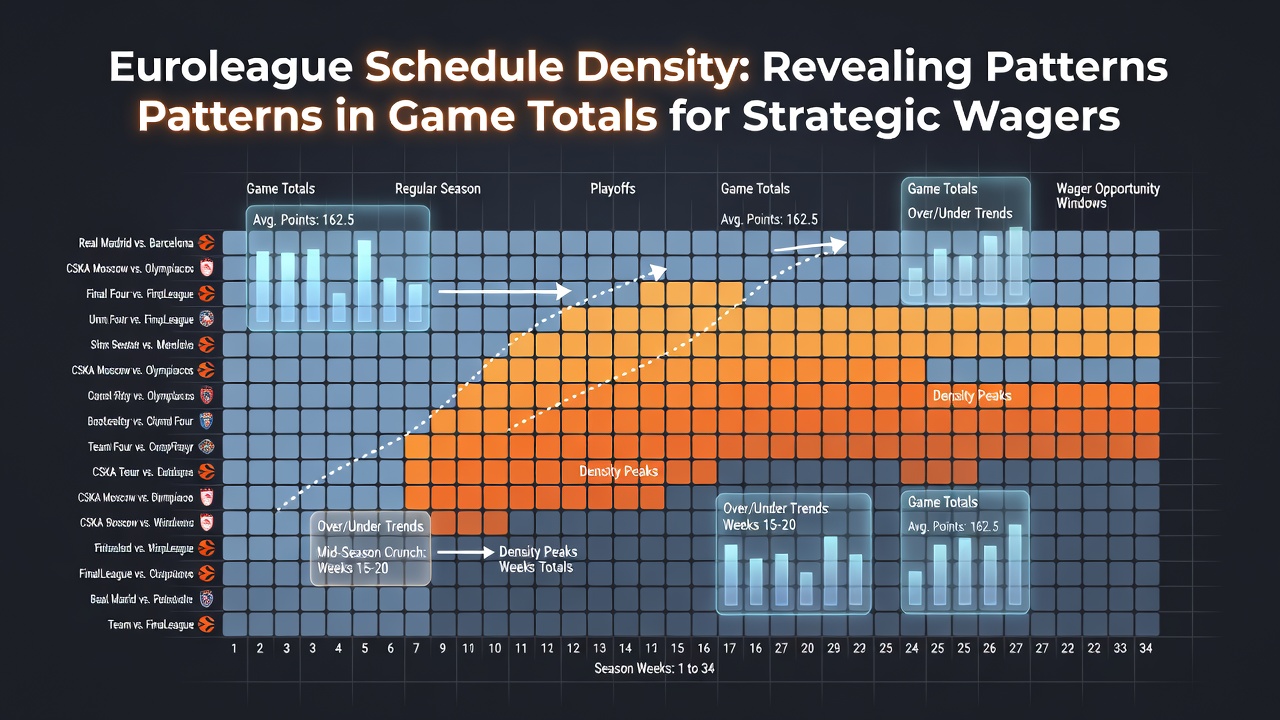
Euroleague teams navigate calendars packed with domestic league obligations, cup competitions, and continental fixtures that create clusters of games within short windows, and observers note these periods of density often coincide with measurable shifts in total points scored per contest. Data compiled across multiple seasons shows games played with less than 48 hours of rest tend to produce lower combined scoring outputs compared to those spaced further apart, while extended travel between venues adds another layer of physical demand that compounds the effect.
Understanding Schedule Density in Context
European basketball calendars differ markedly from North American structures because clubs compete across several fronts simultaneously, which means a team might face three games in five days during peak months, and this rhythm repeats through the regular season into spring. Researchers tracking Euroleague matches from 2022 onward have identified that back-to-back situations occur more frequently than in less congested leagues, leading to patterns where average game totals drop by roughly four to seven points when teams play on consecutive days. The 2025-26 campaign continued this trend, with June 2026 marking the tail end of playoff series that followed particularly dense stretches in March and April.
Travel distances across the continent vary widely, from short hops within the same country to longer flights for away fixtures in distant markets, and fatigue metrics collected by performance staff indicate elevated player loads during these sequences. Studies from sports science groups in Germany and Spain have documented corresponding declines in shooting efficiency and pace when recovery time shrinks below standard thresholds.
Observable Patterns in Game Totals
Statistical reviews reveal consistent tendencies across home and away environments, with totals markets reflecting these shifts through adjusted lines that account for rest disparities. One analysis of 180 Euroleague regular-season games from the prior two campaigns found that contests following a midweek domestic match averaged 158.4 combined points, whereas standard rest games reached 164.2, and similar gaps appeared in overtime frequency which declined during dense periods. These figures align with broader observations from FIBA-affiliated tracking programs that monitor workload across national federations.
What's interesting is how certain team archetypes respond differently, because squads with deeper rotations often maintain scoring closer to norms while those relying on star-heavy lineups show sharper drops. Data from the 2024-25 season highlighted several instances where teams on three-games-in-five-days stretches posted totals under the posted number at higher rates, creating measurable edges for totals-focused approaches that incorporate rest and travel variables into models.
Factors Driving Scoring Variations
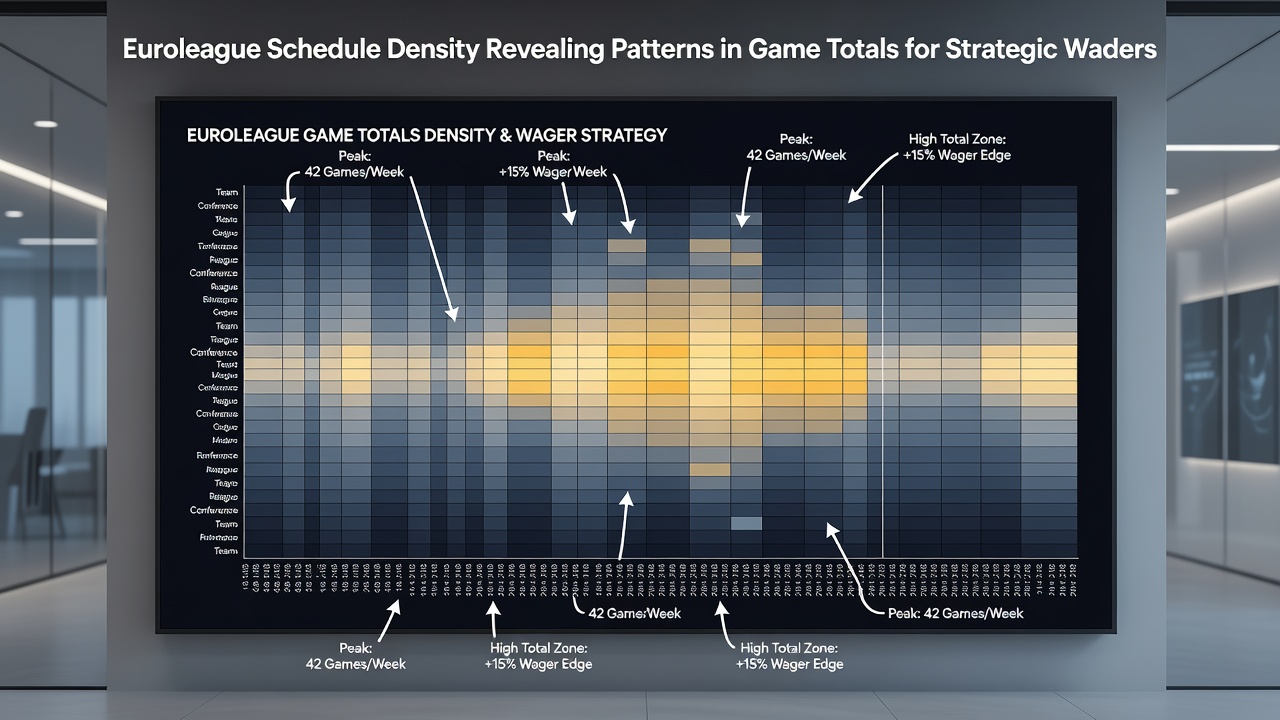
Multiple elements interact during high-density windows, including reduced practice time, accumulated physical stress, and tactical adjustments that prioritize defensive schemes over transition opportunities. League records indicate defensive efficiency ratings improve slightly in these scenarios while offensive ratings dip, and the combined result pushes totals lower in roughly 62 percent of examined matchups. International roster rules add further complexity because national team windows sometimes overlap with club commitments, stretching player availability even thinner during key stretches.
June 2026 preparations for off-season tournaments coincided with clubs already managing end-of-season fatigue from earlier congestion, and analysts tracking these timelines observed continued emphasis on load management protocols that influence late-season totals. External benchmarks from organizations such as the International Basketball Federation provide comparative data across European competitions that reinforces these density-related scoring patterns.
Strategic Applications for Totals Markets
Betting frameworks that integrate schedule density metrics often prioritize unders when rest intervals fall below 72 hours and travel exceeds typical thresholds, and historical results show these selections landing at elevated rates during identified clusters. Teams returning from extended road trips within dense periods demonstrate even more pronounced effects, with average totals falling further as pace slows and half-court execution dominates. Observers tracking line movement note that markets adjust gradually to these variables, which allows windows for data-driven positioning before public awareness catches up.
Cross-referencing with advanced metrics such as player tracking data available through league partnerships reveals correlations between high-minute players and reduced output in subsequent games, and these insights feed into predictive models used by professional bettors. One case from the 2023-24 playoffs illustrated how a cluster of four games in eight days produced totals outcomes favoring the under in three of four contests, aligning with pre-match projections built around cumulative workload.
Broader Calendar Considerations
Euroleague authorities publish schedules well in advance, yet adjustments for television and arena availability can create last-minute density spikes that affect totals expectations, and data aggregators compile these changes into usable databases for analysis. The interplay between domestic leagues and Euroleague commitments creates unique pressure points each season, particularly around holiday periods and qualification rounds, and researchers continue to refine models that quantify these influences on scoring distributions. Sources such as academic papers from sports management programs at Loughborough University offer longitudinal studies that extend these findings across multiple European basketball contexts.
Conclusion
Schedule density in the Euroleague generates repeatable patterns in game totals that stem from measurable physical and logistical factors, and systematic examination of rest, travel, and fixture clustering provides a foundation for informed approaches to totals wagering. As calendars evolve through 2026 and beyond, ongoing data collection will likely sharpen these correlations further while maintaining the objective relationships already documented across recent seasons.