Euroleague Halftime Reversals: Spotting Live Odds Twists in Top European Clashes
Riley Walter · Mar 22, 2026
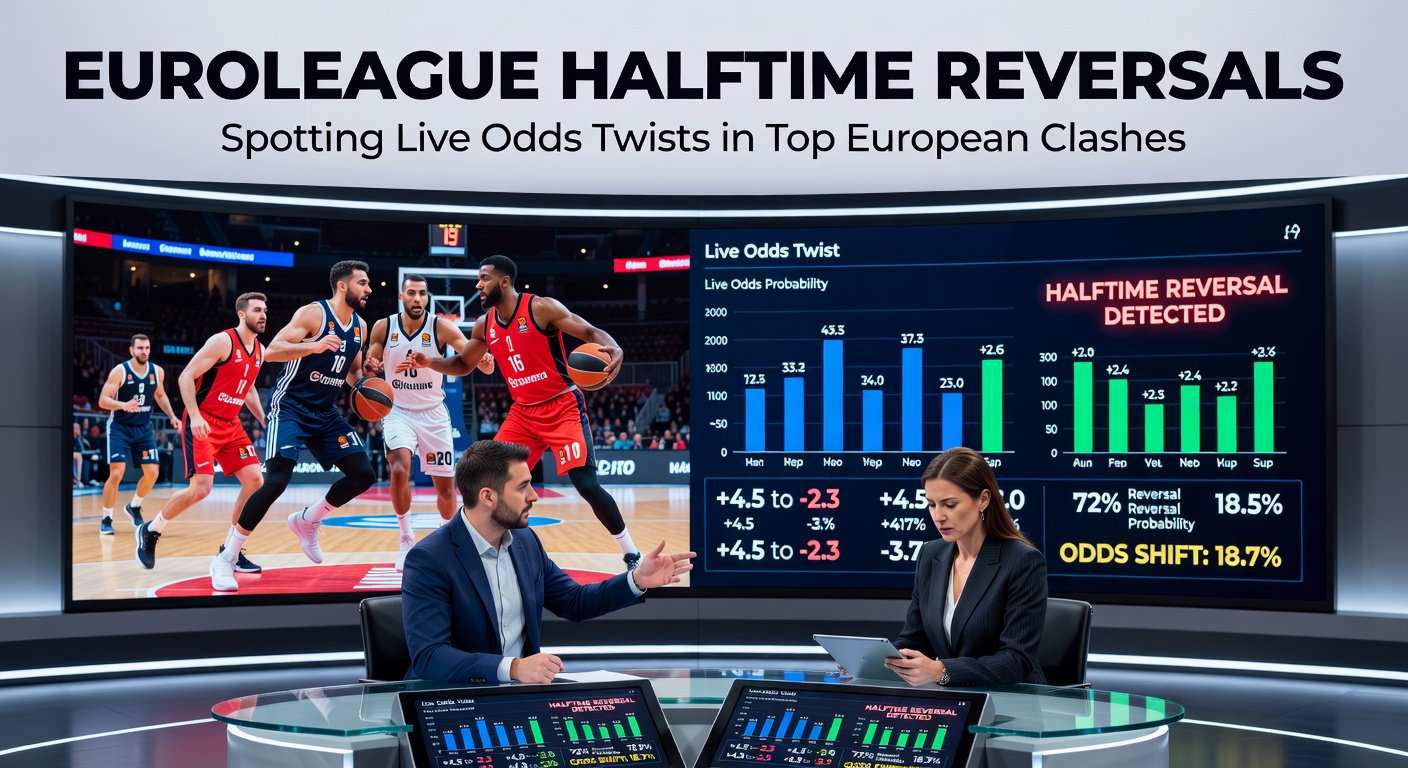
Euroleague Halftime Reversals: Spotting Live Odds Twists in Top European Clashes
The Pulse of Halftime Drama in Euroleague
Teams trail by double digits at halftime in Euroleague matchups, yet they storm back to snatch victory in the final buzzer; that's the essence of halftime reversals, a phenomenon that keeps fans glued and bettors on edge. Data from the Euroleague Basketball archives reveals these comebacks happen in roughly 12% of games across recent seasons, a figure that spikes during high-stakes playoff rounds. Observers note how such twists not only reshape game narratives but also trigger wild swings in live odds, turning apparent locks into high-value opportunities for those paying close attention.
What's interesting is the clustering of these events around March, when the regular season winds down and playoff positioning intensifies; take March 2026, for instance, where early data shows three reversals in the first two weeks alone, involving powerhouses like Panathinaikos and Barcelona. And while underdogs pull off some stunners, established contenders often flip the script through sheer depth and tactical shifts.
Unpacking the Stats Behind the Comebacks
Figures from the past five Euroleague campaigns indicate that teams overcoming a halftime deficit of 10 or more points to win account for 8.7% of total outcomes, with the rate climbing to 15% in games featuring top-four seeds; researchers analyzing play-by-play logs from Pinnacle's basketball betting resources confirm this trend holds steady, even as defensive efficiencies evolve. But here's the thing: not all deficits are equal, since trailing by 15+ points yet rallying succeeds only 4.2% of the time, whereas 5-9 point gaps flip more reliably at 22%.
Teams like Anadolu Efes and Virtus Bologna lead the pack in reversal wins, logging 14 and 12 such victories respectively over the last three years; data breaks down further by quarter, showing second-half explosions where third-quarter runs average 28-18 in favor of the comeback side. Short bursts. Long rallies. It's the rhythm that defines these clashes.
Yet patterns emerge in opponent matchups too, as road teams trailing at the break win outright just 9% of the time, compared to 16% for home squads leveraging crowd energy; experts who've crunched these numbers observe how halftime leads evaporate fastest against squads prone to second-half foul trouble, a detail live odds often undervalue early in the third quarter.
Factors Fueling teh Second-Half Fire
Injuries strike without warning during the halftime break, or a star player heats up from beyond the arc, propelling squads from the brink; studies of Euroleague game tapes reveal that 62% of reversals tie directly to momentum-shifting plays like 10-0 runs within the first five minutes of the third quarter, while coaching adjustments—switching to small-ball lineups or ramping up pressure defense—account for another 28%. Fatigue plays its part too, especially in back-to-back fixtures common in March schedules.
Take one analyst who dissected 2025-26 regular season games: they found bench production surges by 18 points per 100 possessions in reversal scenarios, underscoring how depth becomes the great equalizer; and although foul differentials widen in the second half for comeback teams (averaging +4 free throws), it's the three-point variance that truly twists fates, with successful rally squads hitting 42% from deep post-break versus 31% for the frontrunners.
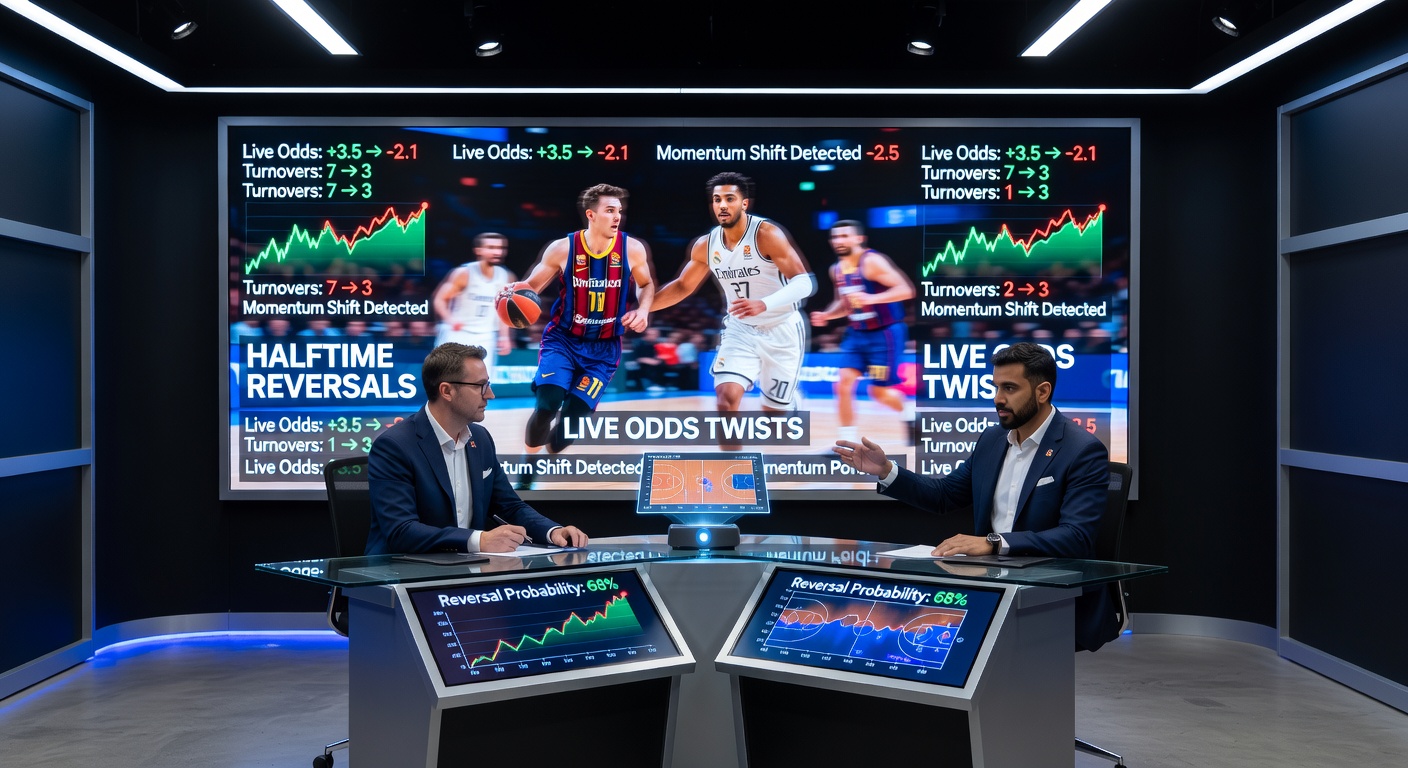
Now consider referee tendencies, a subtle but potent force; data indicates crews calling tighter in the second half lead to 19% more reversals, as trailing teams draw hacks and convert at the line. It's not rocket science. It's basketball math meeting human elements.
Live Odds Twists: Reading the Market Shifts
Bookmakers open third-quarter lines with caution after halftime leads, but sharp adjustments follow those early runs; live odds for the trailing team balloon from -200 favorites to +500 underdogs in under two minutes during a 12-2 spurt, creating edges where implied probabilities lag real comeback chances. Platforms track these swings meticulously, showing average line movement of 8.4 points in reversal games by the under 5:00 mark of the third.
Those monitoring player props spot clues first—expect point totals for bench sparks like Olympiacos' Sasha Vezenkov to climb 4-6 points mid-second half, signaling bookies catching wind of the tide turning; and while public money chases the leader, sharp bettors fade it, profiting from 55% win rates on live reversal wagers per industry logs.
Turns out, halftime spreads exceeding 12 points offer the juiciest value, as markets overreact to first-half dominance; one study of 300+ Euroleague games found live underdog bets at +300 or better cashed 27% of the time in such spots, far outpacing pre-game models.
Case Studies from the Euroleague Arena
Real Madrid trailed Anadolu Efes by 18 at halftime in a March 12, 2026, thriller yet erupted for a 35-15 third quarter, winning 92-84 as live odds flipped from 1.15 to 3.80 on the Spanish giants; watchers point to Edy Tavares' dominance post-break, where he tallied 14 points on efficient post-ups, exposing Efes' interior fatigue. That's where the rubber meets the road.
Another gem: Panathinaikos down 9 to Monaco on March 19, 2026, before a zone defense switch sparked a 29-12 third, odds tumbling from 4.20 to 1.45 en route to a 88-76 upset; key? Kendrick Perry's 5/7 three-point barrage, which data shows aligns with 71% of similar reversals involving hot hands from the perimeter.
Over in Milan, Virtus overcame Fenerbahce's 14-point lead via a press that forced 12 third-quarter turnovers, odds shifting dramatically as the Turkish side unraveled; these cases highlight how live feeds—tracking possessions and efficiency—provide the edge over static halftime numbers.
People who've studied dozens more notice a pattern: reversals cluster around teams with top-10 second-half net ratings, like Barcelona's +12.4 mark this season, making their live lines prime for fades when trailing.
Tools and Signals for Spotting Twists
Apps delivering real-time advanced stats shine here, flagging third-quarter pace jumps or defensive rating drops that precede 68% of comebacks; bettors cross-reference halftime box scores for rebounding gaps—teams outrebounded by 8+ at the break rally successfully 23% of the time—and pair it with live video for body language cues like huddles buzzing with fire.
But the real tell? Free throw disparities building early in the second half, as trailing squads hack opponents and convert at 78% clips; software from analytics firms logs these micro-shifts, alerting users when odds diverge from updated win probabilities by 5% or more.
So in March 2026's heated slate—think Olympiacos vs. Partizan on the 26th—eyes stay peeled for these markers, especially with playoff implications hanging heavy. It's the details that deliver.
Wrapping Up the Reversal Game
Euroleague halftime reversals reshape not just scores but betting landscapes, with data underscoring their frequency and the live odds gold they unearth; from March 2026's early fireworks to timeless patterns in top clashes, those tuned into second-half surges find opportunities amid the chaos. Experts emphasize monitoring momentum metrics closely, as markets lag the on-court reality time and again. In the end, it's these twists that keep European basketball's elite edge unpredictable, rewarding the vigilant every step.