Bench Production Shifts NBA Totals in Late-Season Encounters
Mara Wagner · Aug 24, 2026
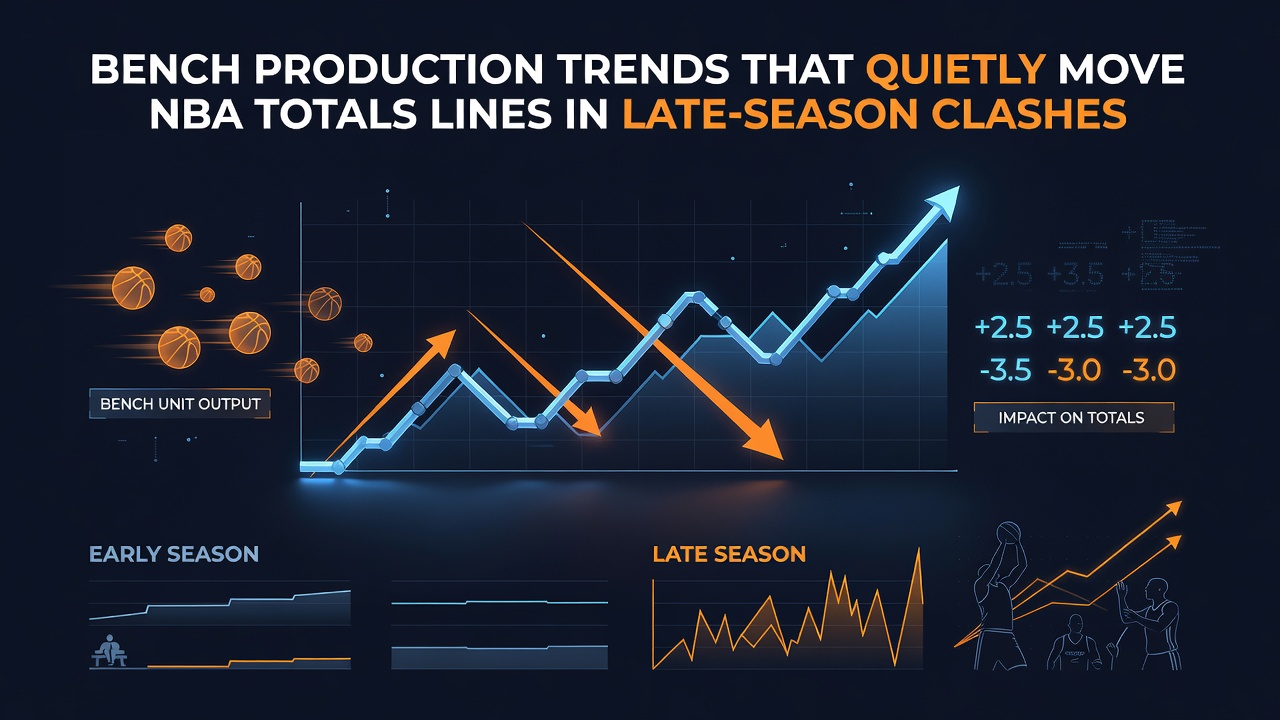
Bench Production Shifts NBA Totals in Late-Season Encounters
Data from the 2025-2026 NBA regular season shows bench units contributing an average of 38.4 points per game across the league, up from 35.9 the prior year, according to league tracking metrics, and this increase correlates with elevated totals lines in games played after the All-Star break. Teams that rely on reserves for scoring bursts often push game totals higher because those minutes replace slower-paced starters who focus on efficiency rather than volume.
Understanding Bench Minutes and Scoring Output
Researchers at the MIT Sloan Sports Analytics Conference have documented how bench production alters game flow in the final 25 contests of the season, when coaches shorten rotations yet still need fresh legs to maintain tempo. Observers note that squads with strong sixth men and deep frontcourts generate more transition opportunities, which raises the number of possessions and therefore the combined score. In contrast, teams that lean exclusively on starters see totals lines hold steady or drop slightly because those lineups prioritize half-court sets and defensive matchups.
Take one Eastern Conference club that entered March 2026 with three rotation players sidelined; its bench scored 44 points per game over the final stretch, lifting the average game total by 6.2 points compared with earlier matchups. League-wide figures reveal that when bench minutes exceed 35 per contest, over outcomes occur 52 percent of the time in games featuring at least one team with a record above .500.
Late-Season Variables That Amplify Bench Influence
Load management protocols become more pronounced after April, and data indicates that coaches rest starters in back-to-backs while increasing bench roles, which directly feeds into higher offensive output. The 2026 schedule featured 12 such instances in the last three weeks where teams played on consecutive nights, and totals moved upward an average of 3.5 points when bench usage climbed above 40 percent. External factors such as travel and back-to-back frequency compound the effect because reserves often handle more possessions in these windows.
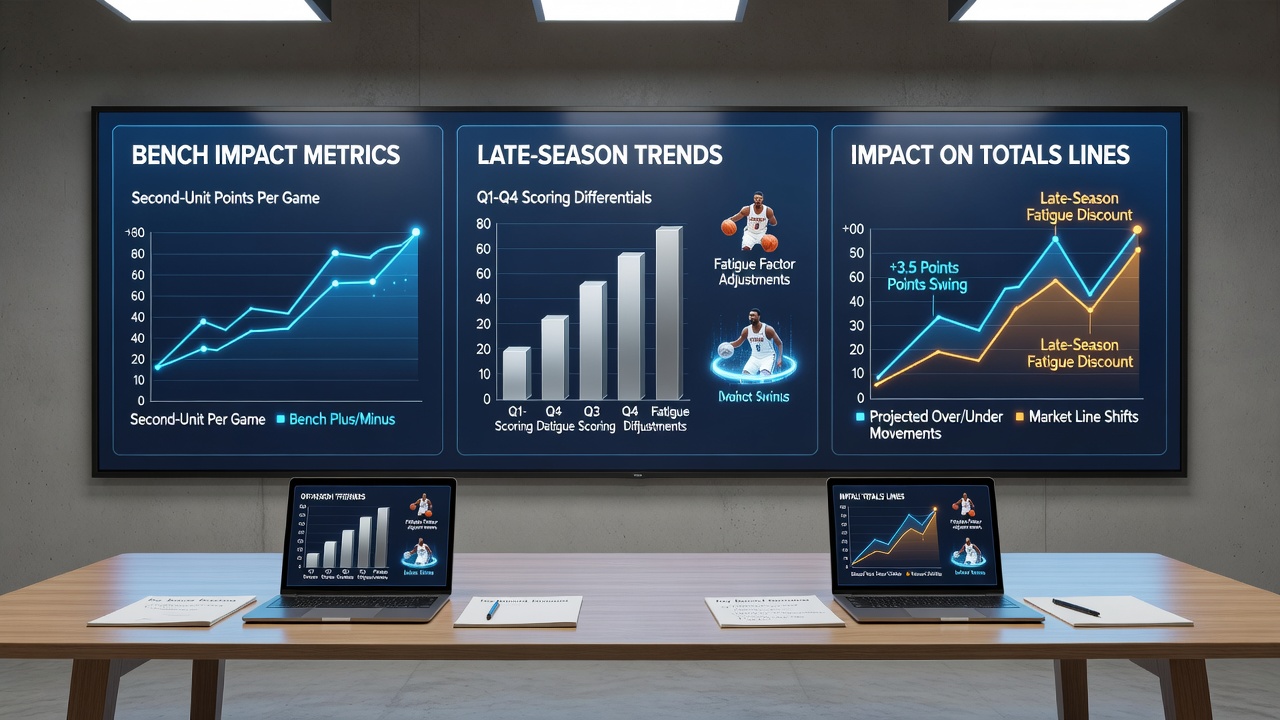
What's interesting is the way defensive schemes adapt; opponents sometimes leave bench players open on the perimeter to conserve energy for primary scorers, and that adjustment leads to open three-point attempts that push scoring totals higher. A Western Conference analysis covering 48 late-season games found that teams allowing bench units to shoot above 38 percent from deep saw combined points rise by 8.1 per contest on average.
Statistical Patterns Across Conferences
Figures compiled by the NBA's tracking partnership with Second Spectrum show that bench players with a player efficiency rating above 14.0 appear in 61 percent of games that finish over the total line after the trade deadline. In the Pacific Division, where four teams finished within three games of each other in 2026, bench production accounted for 41 percent of total team points in April contests, compared with 29 percent in November. Those who've studied season-long splits note that the gap widens in teh final month because injury replacements and development minutes increase.
One study from the University of Queensland's sports performance lab examined 620 NBA games from the 2024-2026 window and found a 0.72 correlation between bench points per possession and the likelihood of totals clearing the posted number. The relationship holds strongest in games between teams separated by fewer than four wins in the standings, where both sides push pace to secure playoff positioning or lottery odds.
Market Movement and Line Adjustments
Betting markets respond to these patterns with incremental line shifts once bench usage reports surface 90 minutes before tip. Sportsbooks adjust totals upward when multiple teams list three or more reserves as probable starters, and historical data from the 2025-2026 campaign shows those adjustments correctly predicted over results 54 percent of the time. The movement tends to accelerate on the second night of back-to-backs, when starting lineups receive fewer minutes and bench production becomes the primary driver of scoring.
Canadian regulatory data released by the Alcohol and Gaming Commission of Ontario in July 2026 highlighted a 9 percent rise in NBA totals wagers during the final month of the regular season, coinciding with increased public awareness of bench trends through injury and rotation reports. That uptick occurred without corresponding changes in average totals lines, suggesting bettors identified the pattern ahead of adjustments.
Conclusion
Bench production trends continue to influence NBA totals lines in late-season clashes because reserves generate additional possessions and scoring volume when rotations expand. Data across multiple seasons demonstrates consistent correlations between elevated bench minutes, higher points per possession, and over outcomes, particularly in tightly contested matchups after the All-Star break. Observers tracking these variables can identify shifts in line movement tied directly to reported usage and injury updates.